

 Hub Cloud
 Whether you’re a casual coffee drinker or someone curious about turning your daily cup into a genuine passion, the world of coffee is deep, rich, and endlessly fascinating. With unique beans from around the globe, a variety of brewing methods, and a community full of enthusiasts, stepping into the coffee world can be as exciting as it is rewarding. But where do you start?
This beginner-friendly guide will walk you through the basics of getting into coffee—from understanding different beans and brewing methods to tips on how to taste and explore coffee like a true aficionado.
Understand the Basics: What Is Coffee, Really?
Coffee is more than just a beverage—it’s an agricultural product with a complex flavour profile shaped by its origin, processing, roasting, and preparation. It comes from the beans of the Coffea plant, with Arabica and Robusta being the two most common species.
- Arabica beans are more delicate, often with sweeter, more acidic flavours and are generally considered higher quality.
- Robusta beans are more bitter, have higher caffeine, and are often used in espresso blends or instant coffee.
The bean’s origin, altitude, and climate all influence the final taste. Beans from Ethiopia, for instance, often carry floral and fruity notes, while Brazilian beans lean more toward nutty and chocolatey flavours.
Learn About Coffee Roasts
Roasting transforms green coffee beans into the aromatic, brown beans we recognise. The roast level significantly affects the taste.
- Light Roast – Higher acidity, preserves the unique flavours of the bean’s origin.
- Medium Roast – Balanced acidity and sweetness, great for most palates.
- Dark Roast – Bold, smoky, and bitter with less emphasis on origin flavour.
Try different roasts to discover what suits your taste preferences best.
Explore Brewing Methods
There is no one-size-fits-all when it comes to brewing coffee. Each method highlights different aspects of a bean’s flavour. Here are a few popular ones:
- Drip Coffee (Machine) – A convenient, no-fuss method suitable for everyday use.
- French Press – Produces a full-bodied cup; great for those who like a rich, bold flavour.
- Pour-Over (like V60 or Chemex) – Offers precision and clarity of flavour; perfect for appreciating single-origin beans.
- Espresso – A concentrated shot of coffee, forms the base of drinks like lattes and cappuccinos.
- AeroPress – Versatile, portable, and allows for experimentation with pressure and steeping time.
- Cold Brew – Made by steeping coffee in cold water for 12–24 hours; smooth, low acidity, and refreshing.
You don’t need to buy everything at once—start with one method (like a French press or AeroPress), and master it before exploring others.
Start With Fresh, Quality Beans
Coffee’s flavour depends heavily on freshness. Here’s what to look for:
- Whole Beans – Always buy whole beans and grind them just before brewing.
- Roast Date – Aim to use coffee within 2–4 weeks of roasting for best flavour.
- Source – Look for beans that list origin details (country, region, farm) and roast profile.
Start with small bags from local roasters or reputable speciality coffee shops. Don’t be afraid to ask questions or request recommendations.
Invest in a Good Grinder
If you’re serious about coffee, investing in a burr grinder (rather than a blade grinder) is a must. Burr grinders provide consistent particle sizes, which is key for even extraction and balanced flavor.
Grind size matters:
- Fine grind for espresso
- Medium grind for drip or pour-over
- Coarse grind for French press or cold brew
Freshly ground beans can make even a basic brewing setup taste significantly better.
Master the Coffee-to-Water Ratio
Getting the right ratio of coffee to water ensures that your brew is neither too weak nor too bitter.
A general starting point:
1 gram of coffee to 15–17 grams of water (about 1:15–1:17 ratio). That’s around 2 tablespoons of ground coffee per 6 oz of water.
You can refine your taste by adjusting this ratio—more coffee for a stronger taste, more water for a lighter cup.
Taste Coffee Like a Pro
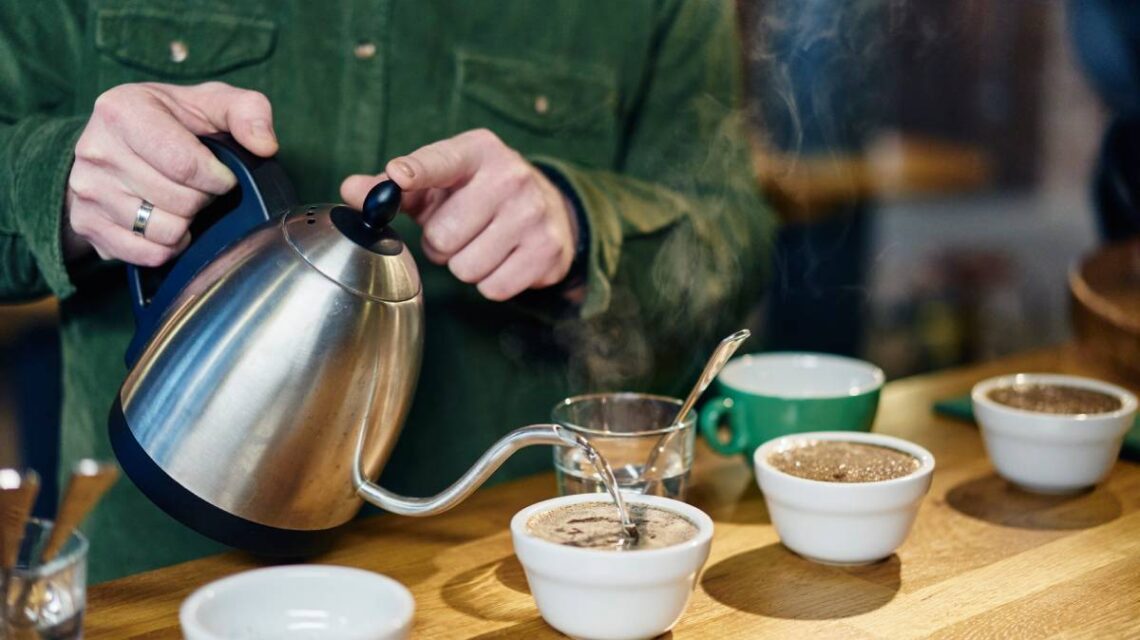
Coffee tasting—also known as cupping—is how professionals evaluate beans. You can try a simplified version at home.
Here’s how:
- Brew your coffee black, with no sugar or milk.
- Smell it deeply before taking a sip—note the aroma.
- Take a small sip and slurp to spread it across your palate.
- Note flavor notes—fruity, nutty, floral, earthy?
- Consider body (light vs. heavy), acidity (bright vs. dull), and finish (lingering taste).
Keeping a coffee journal can help you track what beans and methods you like.
Connect With the Community
The coffee world is full of people who love to share knowledge.
- Follow coffee YouTubers or Instagram accounts for reviews, brewing tips, and techniques.
- Visit local cafés or roasters, attend cupping events, or take a beginner barista class.
- Reddit’s /r/coffee and online forums are great places to ask questions and share experiences.
- Join coffee subscription services that let you try beans from around the world.
You’ll learn a lot faster by engaging with others and trying new things.
Experiment and Evolve
What makes coffee exciting is that your preferences will evolve. One day you might love dark roasts with cream; a few months later, you’re brewing Ethiopian naturals via V60 and tasting blueberry notes.
Experiment with:
- Different beans and origins
- Brew methods and temperatures
- Adding spices like cinnamon or cardamom
- Using filtered water vs. tap
There’s no “right” way to enjoy coffee—only your way.
Going Further: Home Brewing Gear and Beyond
As you grow more comfortable in the coffee world, you might want to upgrade your setup:
- Gooseneck kettle – For precise pouring in pour-over methods
- Scale – For accurate measurement of coffee and water
- Thermometer – Ideal water temperature is around 90–96°C (195–205°F)
- Espresso machine – If you’re diving deep into espresso
- Coffee roaster – For the adventurous who want to roast at home
You could also explore latte art, home roasting, or even visiting coffee farms on your travels.
Bonus: Coffee Culture Around the World
Exploring coffee isn’t just about technique—it’s also cultural.
- Italy: Espresso is king. Standing at a bar for a quick shot is a tradition.
- Japan: Pour-over and precision rule. Attention to detail is key.
- Ethiopia: Coffee ceremonies are integral to social life.
- Australia: Home of the flat white, known for speciality café culture.
Learning about how different cultures enjoy coffee adds richness to your journey.
Final Thoughts: Enjoy the Process
Getting into coffee doesn’t mean you have to become a snob or spend a fortune. Start small, stay curious, and enjoy the sensory experience. Over time, you’ll discover that coffee is not just a drink—it’s a craft, a culture, and a comforting ritual that brings people together.
Whether you’re brewing your first French press or perfecting espresso extractions, remember: the journey is just as enjoyable as the cup in your hand.
Ready to start? Grab a fresh bag of beans, choose your brewing method, and take your first step into the world of coffee—one cup at a time.

