


 Hub Cloud
 When it comes to improving or updating a property, the terms renovation and restoration are often used interchangeably. However, while they may sound similar, they actually refer to two quite different approaches to upgrading or preserving a building.
Understanding the difference between renovation and restoration is essential—especially if you’re planning work on your home, a heritage property, or an investment asset.
In Australia, where we have a mix of modern homes and historically significant buildings, choosing the right approach can affect everything from cost and compliance to long-term value and visual appeal. Let’s break it down clearly and practically.
What Is Renovation?
Renovation refers to the process of improving or updating a building by repairing, upgrading, or modernising it. The goal is typically to enhance functionality, comfort, or aesthetics rather than preserve historical accuracy.
Key Characteristics of Renovation
- Modern upgrades: Renovations often involve installing new materials, fixtures, and technologies.
- Design changes: Layouts can be altered to suit contemporary living (e.g., open-plan living spaces).
- Improved functionality: Kitchens, bathrooms, and living areas are commonly upgraded to meet modern standards.
- Flexibility: There are generally fewer restrictions compared to restoration projects.
Common Examples of Renovation
- Updating an outdated kitchen with new cabinetry and appliances
- Replacing old flooring with timber, tiles, or hybrid flooring
- Adding an extension or extra room
- Installing energy-efficient windows and insulation
- Converting a garage into a living space
In short, renovation is about making a property better suited to today’s needs.
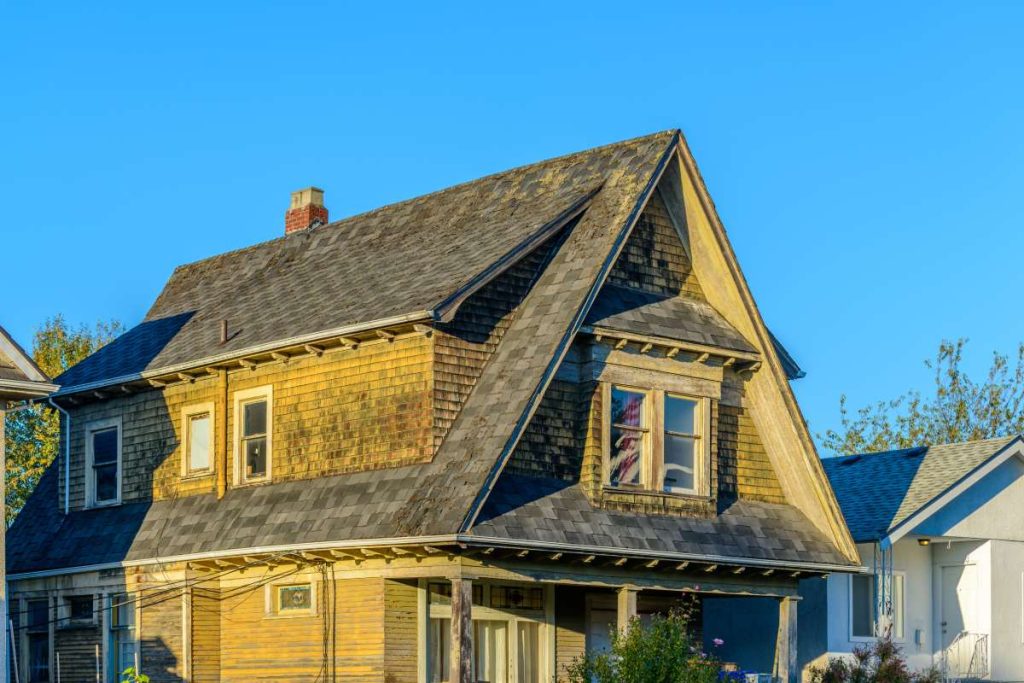
What Is Restoration?
Restoration, on the other hand, focuses on returning a building to its original condition—or as close as possible—while preserving its historical and architectural significance.
This approach is especially important for heritage-listed properties or buildings with cultural value.
Key Characteristics of Restoration
- Historical accuracy: Materials, designs, and techniques aim to match the original construction.
- Preservation focus: The goal is to maintain the building’s original character and features.
- Strict guidelines: Heritage regulations often apply, limiting what changes can be made.
- Specialised craftsmanship: Skilled tradespeople are required to replicate traditional methods.
Common Examples of Restoration
- Repairing original timber windows instead of replacing them
- Restoring decorative plasterwork or cornices
- Reinstating original paint colours based on historical records
- Repairing stonework or brickwork using traditional techniques
- Preserving original flooring, such as hardwood or tiles
Restoration is about respecting the past and preserving authenticity.
The Core Differences Between Renovation and Restoration
Although both involve improving a property, the intent and execution are quite different.
1. Purpose
- Renovation: Improve comfort, functionality, and style
- Restoration: Preserve historical integrity and original design
2. Approach
- Renovation: Flexible and modern
- Restoration: Strict and historically accurate
3. Materials Used
- Renovation: Modern materials and finishes
- Restoration: Traditional or matching original materials
4. Regulations
- Renovation: Generally fewer restrictions
- Restoration: Often subject to heritage laws and council approvals
5. Cost Factors
- Renovation: Costs vary but can be controlled through material choices
- Restoration: Often more expensive due to specialised labour and materials
When Should You Choose Renovation?
Renovation is usually the best option when:
- The property is not heritage-listed
- You want to modernise the space
- Functionality is more important than preserving original features
- You’re preparing a property for resale or rental
- The building has no significant historical value
For example, a 1990s suburban home in Sydney might benefit far more from a renovation that updates its layout and energy efficiency rather than attempting a restoration.

When Should You Choose Restoration?
Restoration is the preferred choice when:
- The property is heritage-listed or historically significant
- You want to preserve architectural character
- Original features still exist and can be saved
- You value authenticity over modernisation
- Council regulations require preservation
In many older suburbs across Sydney—such as terraces in the Inner West or Federation homes on the North Shore—restoration is often necessary to maintain the property’s heritage value.
Can Renovation and Restoration Be Combined?
Absolutely—and in many cases, this is the smartest approach.
A hybrid strategy allows you to preserve key historical elements while still making the property functional for modern living.
Examples of a Combined Approach
- Restoring original façade and windows while renovating the interior
- Preserving decorative features like ceilings and fireplaces but updating kitchens and bathrooms
- Retaining structural elements while adding modern extensions at the rear
This approach strikes a balance between character and convenience, which is particularly appealing in the Australian property market.
Challenges to Consider
Whether you choose renovation or restoration, there are a few challenges to keep in mind:
1. Budget Blowouts
Restoration projects can uncover hidden issues such as structural damage, outdated wiring, or termite infestations. Renovations can also run over budget if plans change mid-project.
2. Council Regulations
Heritage-listed properties require approvals, and failing to comply can result in fines or forced reversals of work.
3. Skilled Labour
Restoration often requires specialised tradespeople, which can be harder to find and more expensive.
4. Timeframes
Restoration projects typically take longer due to the level of detail and care required.
Property Value Considerations
Both renovation and restoration can significantly impact property value—but in different ways.
- Renovation: Adds value through modern appeal, improved functionality, and energy efficiency
- Restoration: Adds value through uniqueness, character, and heritage significance
In competitive markets like Sydney, a well-executed restoration can make a property stand out, while a smart renovation can attract a broader range of buyers.
Environmental Impact
Interestingly, restoration can often be the more sustainable option.
- Restoration: Reuses existing materials, reduces waste, and preserves embodied energy
- Renovation: May involve demolition and new materials, increasing environmental impact
However, renovations can improve sustainability through energy-efficient upgrades like solar panels, insulation, and modern appliances.
Making the Right Decision
Choosing between renovation and restoration comes down to a few key questions:
- What is the condition of the property?
- Does it have historical or heritage value?
- What is your budget?
- What is your end goal—modern living or historical preservation?
- Are there council restrictions in place?
If you’re unsure, consulting with professionals who understand both approaches is crucial. They can assess your property and recommend the best path forward based on your goals and local regulations.
Final Thoughts
While renovation and restoration may seem similar on the surface, they serve very different purposes. Renovation focuses on modern improvement and practicality, while restoration is all about preserving history and authenticity. Neither approach is inherently better—it simply depends on the property and your objectives.
In many cases, a thoughtful combination of both can deliver the best results, blending timeless character with modern comfort.
If you’re planning a project in New South Wales and want expert guidance on striking that perfect balance, working with specialists like Heritage Restorations & Renovations in Sydney can make all the difference. Their experience in handling both modern upgrades and historically sensitive restorations ensures your property is treated with the care, precision, and expertise it deserves.

